
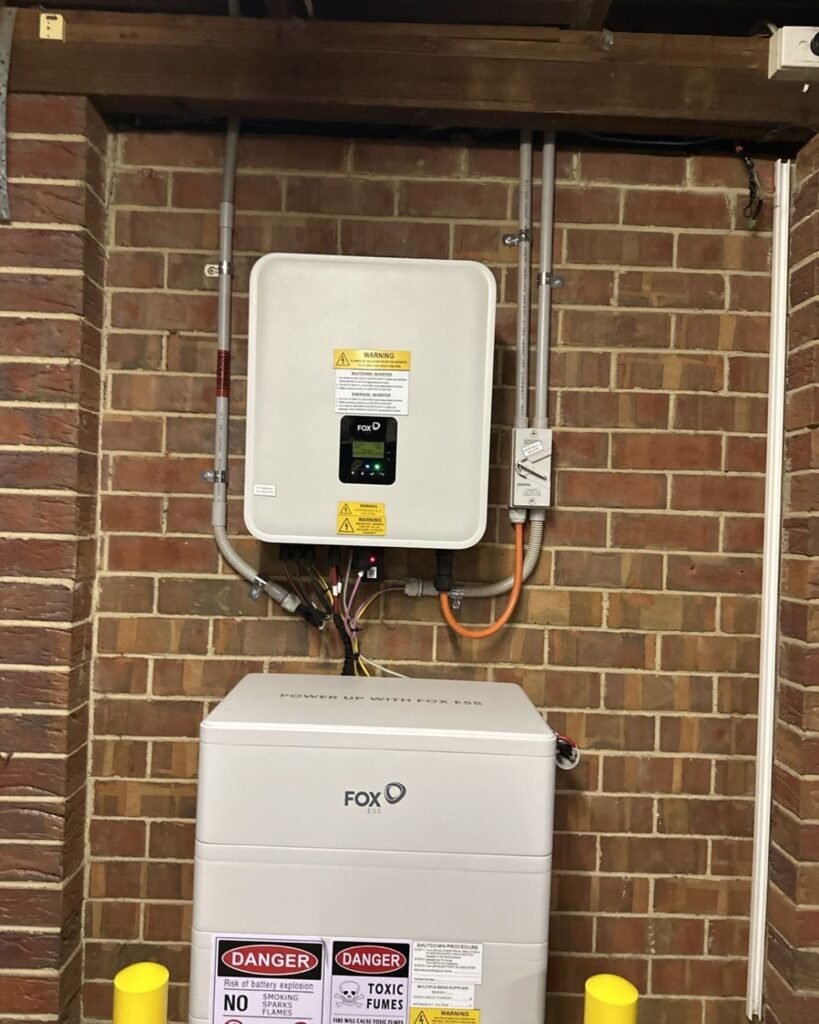
A battery stores what your panels generate through the day so you can use it after dark, instead of exporting it for a few cents and buying it back at full price that evening.
Whether that maths works depends on how much you are currently exporting — and, increasingly, on which incentives you can stack. For some households a battery is the obvious next move. For others it is an expensive answer to a problem they do not have. We will tell you which one you are.
When a battery pays
- You already have solar and export a large share of what you generate
- Your household consumption is concentrated in the evening — cooking, heating, hot water, EV charging
- Your retailer’s feed-in tariff is low relative to what you pay to import
- You want usable backup during outages and are willing to pay for the capability
When it does not, yet
- You are home during the day and already self-consuming most of your generation
- Your solar system is undersized — adding panels usually returns more per dollar than adding storage
- You are about to electrify hot water or heating, which will change your consumption profile enough that sizing now would be guesswork
That last one comes up often. If you are planning a heat pump in the next twelve months, the sensible sequence is usually hot water first, then re-model the battery against the new profile.
Battery incentives
This is the part that has moved most in the last couple of years, and where generic advice online is often out of date.
Federal
Eligible battery installations can generate Small-scale Technology Certificates under the federal Renewable Energy Target, alongside the certificates created by the solar system itself. When solar and battery go in together, both can be claimed on the same site provided the accredited party handling it is registered for both.
New South Wales
Batteries in NSW sit under the Peak Demand Reduction Scheme, which rewards cutting demand during the summer evening peak rather than total energy saved. The structure changed significantly: the upfront battery incentive was withdrawn and cannot be combined with the federal battery program, while the incentive for connecting a battery to a Virtual Power Plant was increased substantially and can be stacked with the federal support.
In practice that means the VPP question is now a financial one, not just a philosophical one about who controls your battery. We will model it both ways.
Victoria
Victorian battery support sits outside the VEU programme, which is focused on efficiency upgrades like hot water and air conditioning. Federal certificates still apply. We will tell you exactly what is available for your address at quote stage rather than promising a figure here.
Scheme rules and certificate values change, sometimes at short notice. Anything we put in writing on your quote reflects the position on the day it is issued.
Sizing
Battery capacity should be set by your evening load, not by what fits the budget or what the brochure recommends. Oversize it and you pay for capacity that never cycles. Undersize it and you are still importing at peak rates by 9pm.
We model it against your actual interval data where you can supply it, and against your bill where you cannot.
Backup during outages
Not every battery provides backup power, and among those that do, not every installation is wired to deliver it. Backup requires specific configuration and usually a dedicated essential-loads circuit — fridge, lights, internet, one or two power points rather than the whole house.
If outage protection is part of why you want a battery, say so at the start. It changes the product shortlist and the switchboard work, and it is far cheaper to design in than to retrofit.
What you get from us
- An honest read on whether storage is your best next dollar
- A size recommendation with the modelling behind it shown, not asserted
- Every incentive you qualify for identified and applied, including the VPP question modelled both ways
- Clear explanation of what the warranty covers, including throughput and retained-capacity terms
- Licensed installation, certified and documented
Call 1300 163 177 and we will run the numbers against your bill before anyone talks about brands.